FLOOD DAMAGE! TEMPORARY LOCATION AS OF 9/8/25: 1111 SE STEPHENS ST inside the Premier Care Chiropractic clinic.

Chiropractic FAQ
What is a chiropractic?
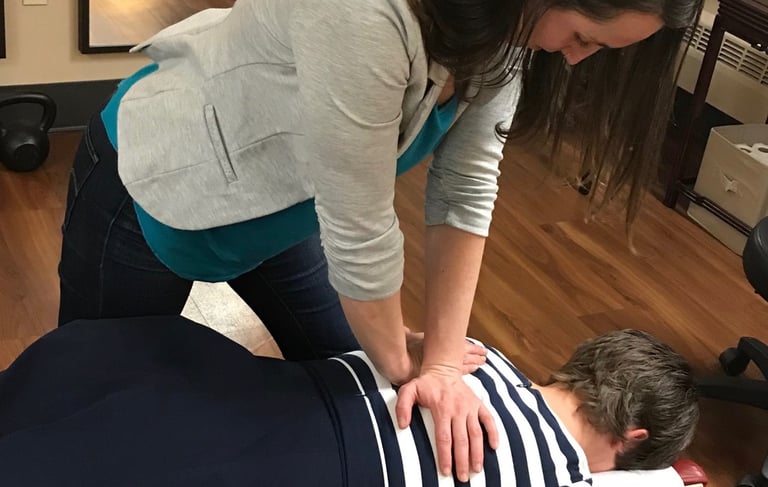
Adjustments, or manipulations, reduce restrictions in the joints. A joint is where two bones meet, and come together. Each joint in the body has a certain amount of movement that is considered normal. The adjustment restores the normal, or proper, amount of movement to a particular joint. The adjustment can sometimes make a noise, often known as a "crack" which is a release of a gas bubble from the joint. The bones of the joint do not crack.
Adjustments increase local circulation to the joint and can also release muscle tension of the muscles around the joint.
Adjustments can be done in a variety of styles:
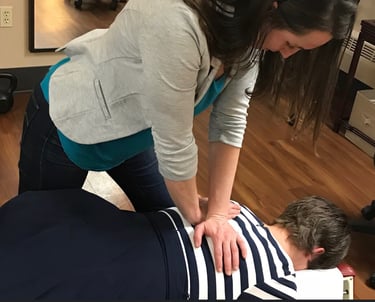
manual: the chiropractor will use their hands to perform the adjustment
tool assisted: using a tool such as an Activator to perform the adjustment, which reduces the amount of force put through the joint, and thereby reduces the noise or 'cracking' associated with the adjustment
drop table: uses movement through the chiropractic table to assist the adjustment, which diffuses the pressure felt at the specific joint, and despite being loud, is often more comfortable
Will I need X-rays?
Imaging will be ordered on a case-by-case basis. It will be dependent upon the individual complaint as well as what is found during the history and exam.
This is a common misconception about chiropractic care. Each person and injury is different. Most minor acute injuries heal with a short course of care. Others, with more chronic conditions or serious trauma can require a more involved treatment plan. Some people come to see us a few times a year, as they find that keeping themselves “tuned up” can reduce minor aches and pains and keep them from progressing to a “flare up”. Each treatment plan is customized to you and can be re-evaluated over time, based on your individual needs. We understand that life gets in the way sometimes, so we like to keep this an ongoing discussion between the doctor and the patient, to make sure treatment aligns with your goals.
What is a chiropractic adjustment?
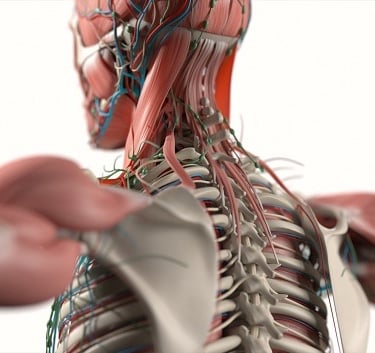
Chiropractic treatment is a type of alternative medicine that focuses on diagnosing, treating, and preventing disorders of the neuromusculoskeletal system, involving the peripheral and superficial nerves, the muscles and tendons, and the joints and ligaments of the entire body. Chiropractic care involves more than just the spine, and includes the shoulder, elbow, wrist, hand, hip, knee, ankle, and foot.
Adjustments or manipulations remove restrictions and imbalances so the body can heal naturally. When dysfunctions and injuries are caught early, chiropractic’s conservative solutions can often replace surgeries and pain-masking medications.
A chiropractic wellness strategy typically involves a combination of adjustments, soft tissue therapies, and other services such as exercise, nutrition, and lifestyle counseling.
Our Portland chiropractor uses a hands-on approach to assess and formulate an individualized care plan for the patient’s pain, injuries, and functional limitations. We don’t rely on aggressive solutions; our care aims to relieve your pain and improve mobility and function at the source so you get lasting results and the tools to keep them.
Are chiropractic adjustments safe?
Do I have to get chiropractic for the rest of my life?
Manipulations, or adjustments, are gentle and safe, offering relief by restoring normal joint movement. However, every patient is evaluated to determine if an adjustment would be considered safe and/or effective based on their complaint and presentation. There are a variety of ways adjustments can be performed. There are gentle adjustment techniques that can be used for those with osteopenia or osteoporosis. Mobilizations can be done, that do not feel like the full adjustment, for those that do not like the feel or sound of being adjusted. with styles anipulations and adjustments to the joints are gentle and safe, offering relief through natural healing. Because these solutions are non-invasive, they can be used on people of all ages, abilities, and lifestyle choices.
It is important to note that the effectiveness of chiropractic care may vary depending on the individual and the specific condition being treated. Chiropractic care is generally considered safe, but you should consult a qualified chiropractor to determine if it is appropriate for your needs.





Other FAQs
A deductible is the amount of money a person must pay out-of-pocket before the insurance company will begin to pay for care. This is a set amount as determined by your insurance plan and often has to be paid each year.
What if I don't get better?
Sometimes the treatment that we provide isn’t enough. If we don’t see our patients improving steadily, we will consider referring them to someone who can further assist them. We may co-treat or have the other practitioner take over the care entirely. We know and trust many other practitioners in the area, including physical therapists, podiatrists, acupuncturists, naturopaths, orthopedists, neurologists, and primary care practitioners.
Will it be confidential?
Just like any other doctor’s office, we don’t share your information with anyone. That includes your care at the office, correspondence or any other contact you have with us. E-mail questions to the doctors may be printed by our support staff, so sharing highly personal information should be in person.
How do I know if my insurance will pay for alternative care?
We recommend that you check our website, or check with our staff prior to scheduling your initial visit, to make sure your provider is net work and accepting new patients with your insurance carrier. You can input your insurance information when filling out our online paperwork, send us an email with your insurance card (screen shots are fine), or call us and give us your insurance information over the phone. Giving us this information at least a week prior to your initial visit gives our staff time to perform a complimentary benefit check, and contact you if necessary. We will share with you what we find during your benefit check at the time of your visit. Please also bring your insurance card to your first visit, so our staff can upload your card to our system.
Does insurance pay for everything?
Alternative care coverage is dependent on the details of your plan, including specifics on copays, deductibles, and visit limitations. Additionally, not all services are covered under all policies. We will quote all costs to you when describing your benefits.
What if I don't have insurance?
We offer a "time of service discount" to patients who pay on the same day as their appointment. If we are not in network with your insurance, you can see if you have out of network benefits. To use out of network benefits, you would pay your doctor at the time of your visit, and submit a receipt, called a superbill, to your insurance for reimbursement.
What does "out of pocket" mean?
This is a term used to describe the total amount you would have to pay during a plan year for covered healthcare services. This applies to copays, deductibles, and coinsurance payments. After you reach this limit, your health insurance often covers 100% of all covered costs for the rest of the plan year.
What is a copay?
Your share of costs (for example, 20%) after meeting your deductible. Coinsurance means you will pay the full amount of the visit until you meet your deductible, and then once the deductible is met, you will the percentage listed in your benefits, such as 20%.
What is a coinsurance?
What is a deductible?
This is a flat amount you pay for fees such as doctor visits or prescriptions.
LOCATION & CONTACT
1111 SE Stephens Street
Portland, OR 97214
Parking is available out front
follow
© Neighborhood Chiropractic and Acupuncture LLC, 2025
ADDRESS
CONTACT
info@neighborhoodchiro.com
Ph: (503) 236-8701
Fx: (503) 236-8710
Subscribe Now
Stay updated on our services and offers